
Our Producers
Water, rice, and climate — each region shapes its sake differently.
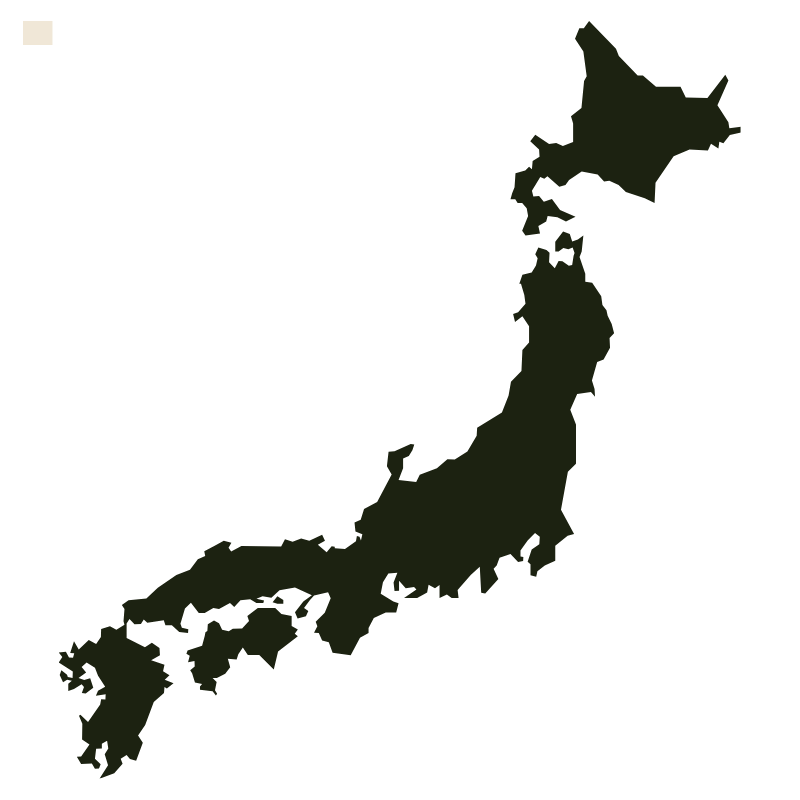
Follow the map to see where our breweries sit, and what makes each corner of Japan distinct.
Dassai
Asahi Shuzo of Yamaguchi rebuilt itself from near-bankruptcy by abandoning ordinary sake for a single pursuit: brewing nothing but junmai daiginjo. Working only with Yamada Nishiki, the house pairs hand-washed rice with data-driven precision, a discipline that has carried it from rural Japan to the world.
Fukuju
Founded in 1751 and now in its thirteenth generation, Kobe Shushinkan brews in Nada, Japan’s foremost sake region. The house draws on famed Miyamizu water and local Yamada Nishiki, and has become a name known worldwide — its junmai ginjo is poured at the official Nobel Prize banquet.
Hououbiden
Kobayashi Shuzo has brewed in Ōyama, Tochigi since 1872, in a village once called Mita, or “beautiful rice fields” — the origin of the name Hououbiden, “phoenix of the beautiful paddies.” Now under its fifth generation, the house draws on soft groundwater from the Nikkō mountains to craft fruit-forward ginjō of uncommon elegance.
Tabika
Hayakawa Shuzo has brewed since 1915 at the foot of the Suzuka Mountains in Komono, Mie. Its Tabika label takes its name from the local Tabika River, which also feeds the contract-grown Mie rice raised along it. Soft, granite-filtered mountain water and a signature malic-acid yeast give a clean, gentle sake with a bright, apple-like acidity.
Kozaemon
Founded in 1702 by the first-generation Nakashima Kozaemon, this brewery in mountainous Mizunami, Gifu now brews under its fourteenth generation. The Kozaemon label rejects the light, dry fashion in favour of an umakuchi style — rounder, richer, food-friendly — drawing deep umami from rice and soft subsoil water off Mt. Byōbu.
Sakaya Hachibei
Gensaka Shuzo has brewed in the mountain village of Ōdai, Mie since 1805, its flagship named for founder Gensaka Hachibei. Four decades ago the family took the rare step of growing its own rice, reviving Isenishiki — an heirloom variety once thought extinct — in terraced paddies along the clear Miyagawa River. Traditional yamahai brewing gives sake that is crisp yet deeply savoury.
Sachihime
A family brewery in Kashima, Saga, entrusted with the sacred sake of nearby Yutoku Inari Shrine. Among the first in the region to welcome visitors into the brewhouse, Sachihime is now led by a new generation carrying its craft forward, rooted in Saga rice and water and a long local tradition.
Yosamusume
Far from Kyoto’s famous Fushimi, Yosamusume has brewed since 1887 on the Tango Peninsula, overlooking the Sea of Japan. Now in its sixth generation, the small family brewery leans hard into terroir — rice grown within steps of the brewery and soft water filtered through the granite of the Ōe mountains — for gentle, fruit-driven sake all its own.
Kagamiyama
When Kawagoe’s last sake brewery closed in 2000, the old “town of warehouses” lost a craft it had held for generations. In 2007, Akihiro Igarashi — from a brewing family in nearby Hannō — answered local calls to revive it as Koedo Kagamiyama. From a brewery the size of a tennis court, he hand-brews with regional Sakemusashi rice and water from the Chichibu mountains.
Rikyugura
Sakai once ranked among Japan’s great brewing towns, then went 44 years without a single brewery — until local leaders revived the craft in 2014. Rikyugura, now the only brewery in Sakai, names its sake for Sen no Rikyū, the tea master born here. Drawing on Mt. Kongō spring water and Hyōgo Yamada Nishiki, it brews a mellow, rounded “Sakai-style” sweetness through a rare eight-step method.
Work With Us
Put sake with a story on your list. We work with bars, restaurants, and retailers to bring our breweries to the region’s best tables — and run tastings and events around them.
Shop
Browse the sake we carry and order it to your door — a small, considered range, the same bottles we place in the region’s best bars and restaurants.